-
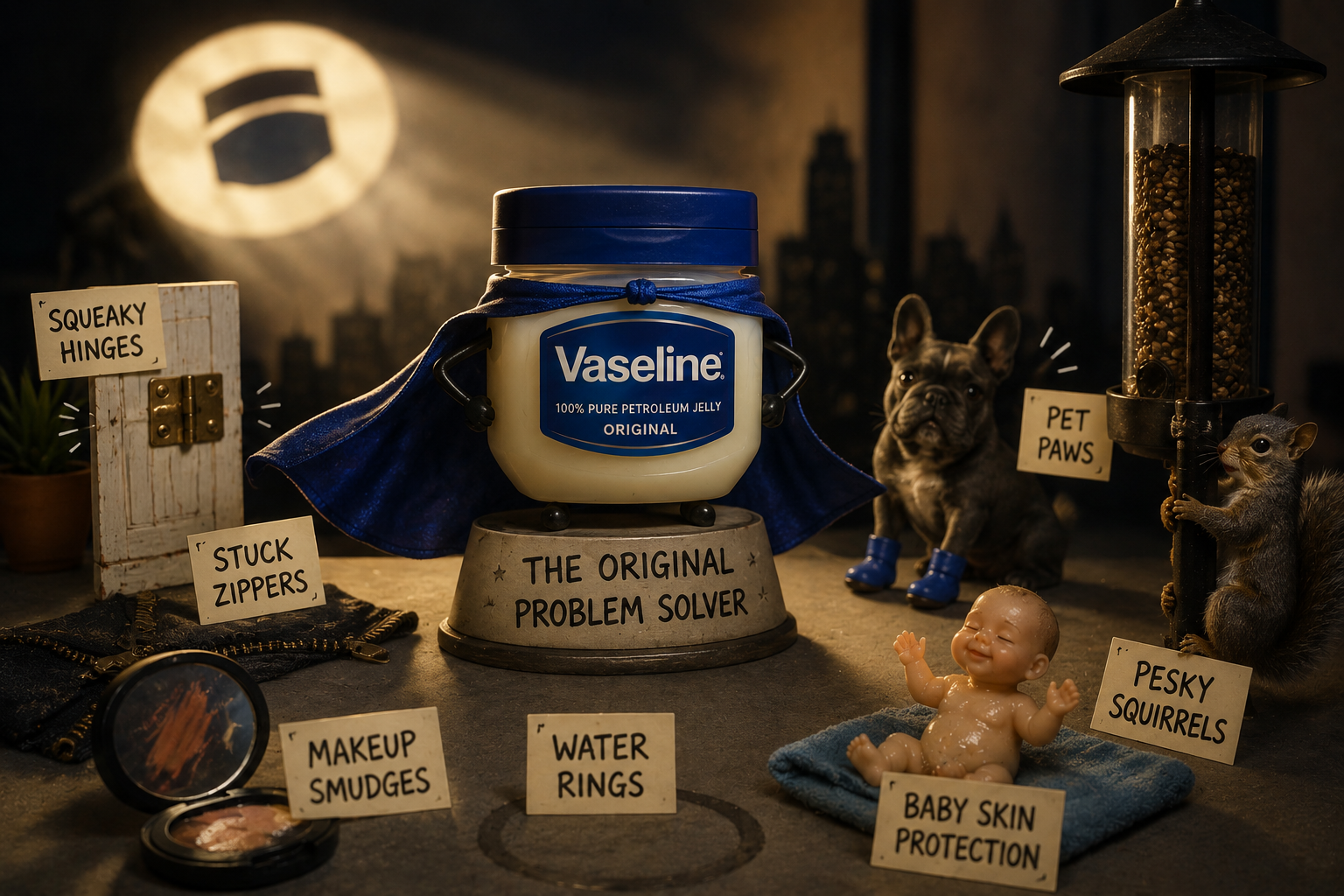
9 Everyday Problems You Can Solve With Vaseline
The internet promised Vaseline could solve nine everyday problems. Naturally, I wondered if it could also fix indecision, traffic jams and forgotten passwords. The results were… mixed.

-

Is Perimenopause Making You Feel Neurodivergent?
Brain fog, sensory overload, executive dysfunction and emotional overwhelm are often discussed in relation to ADHD and autism. But what if fluctuating hormones can create remarkably similar experiences during midlife? Could perimenopause be changing the way your brain experiences the world?
-
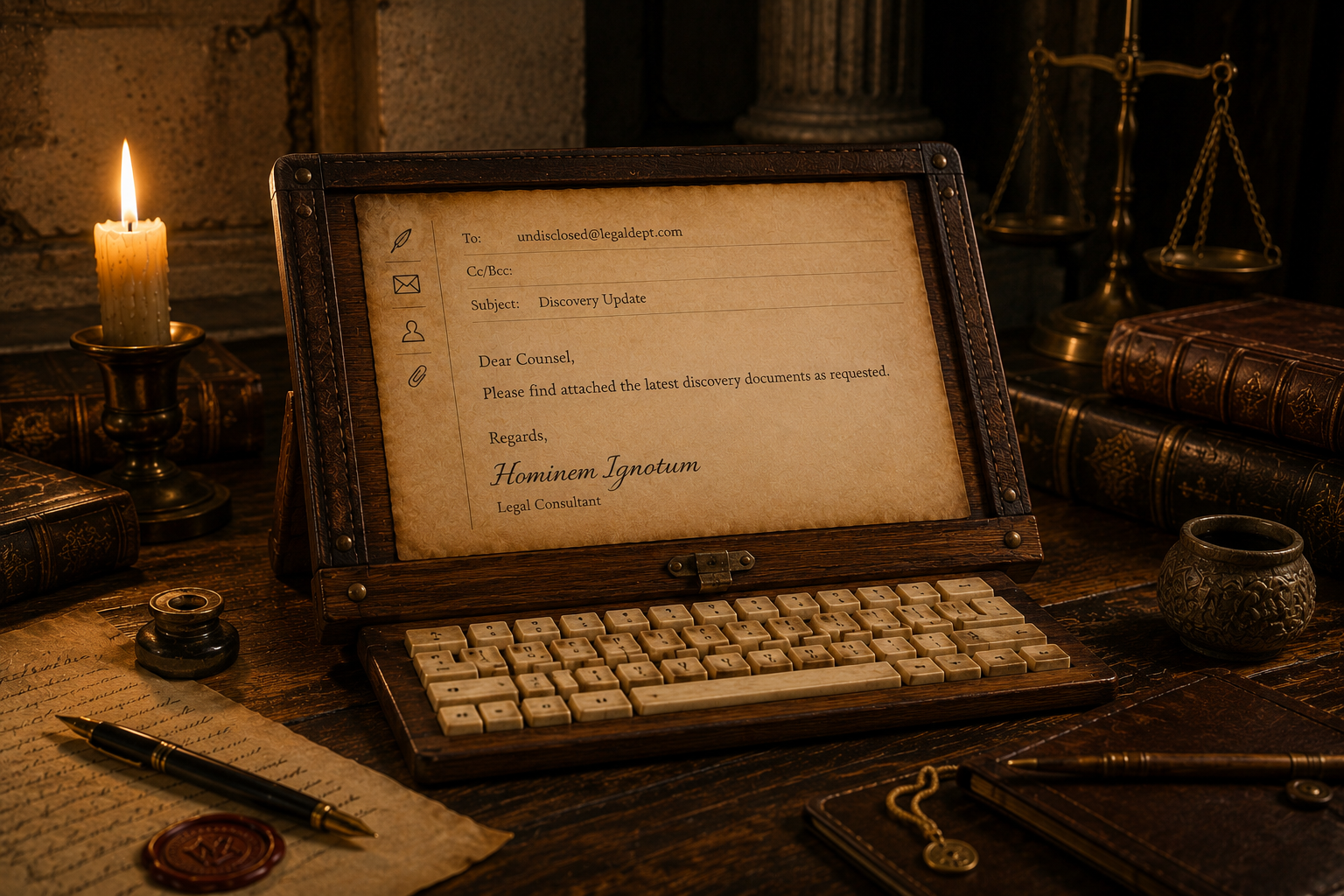
Is John Doe Hominem Ignotum?
John Doe has appeared in courtrooms, police reports, and morgues for centuries. But why John Doe, and not John Smith or something else entirely? And if you had to invent a modern placeholder name, what would you choose?
-

Nobody Wants Your Shit: A Study in Human Behaviour
Someone’s been dumping their used doggy poo bags in my front yard; which leads me to wonder: what really motivates people to do the right thing?
-
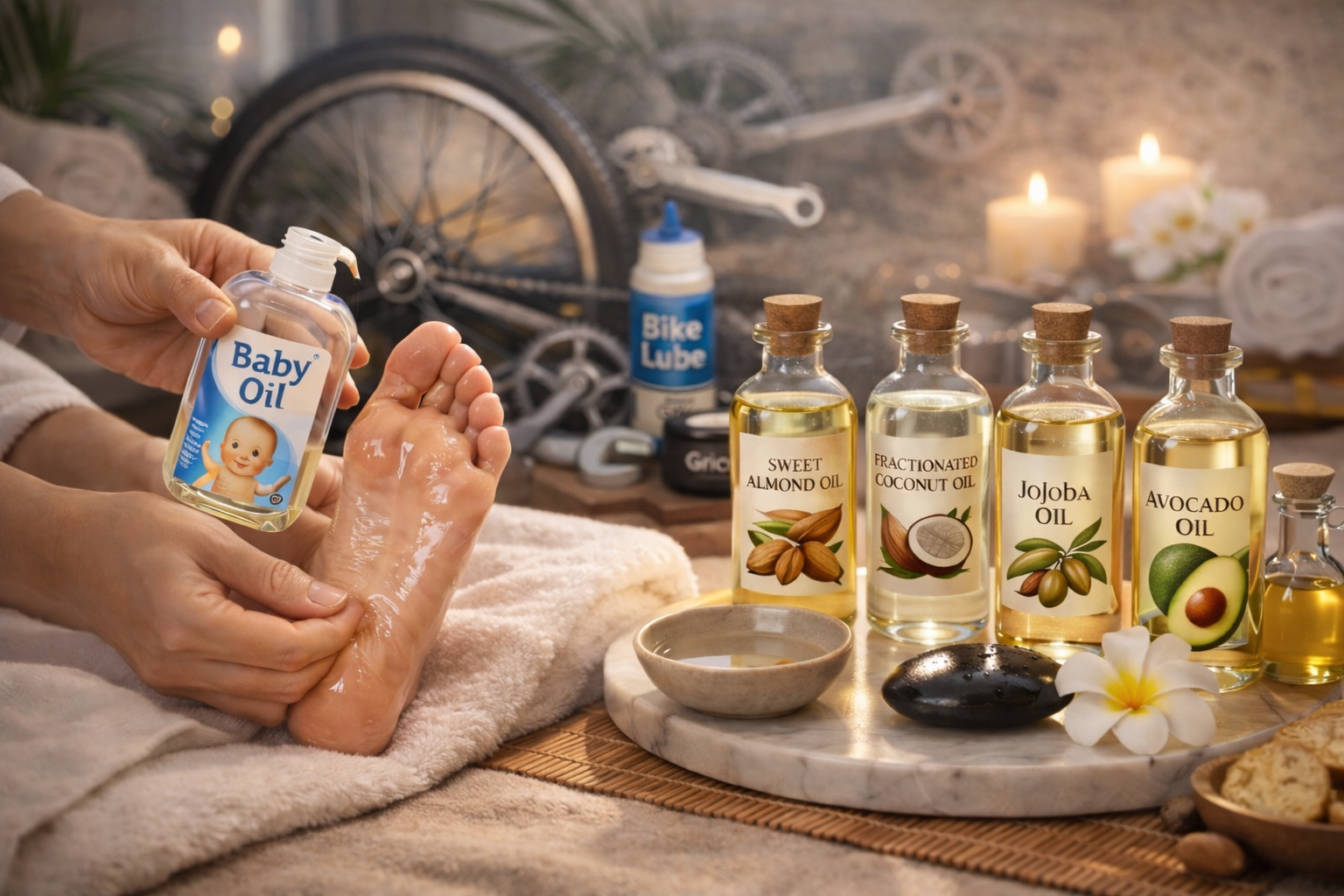
Baby Oil
During a foot reflexology treatment, one odd thought led to another: what exactly is baby oil for, and if you had to choose one oil for both massage and cooking, what would it be?
-

Geek
Once a carnival insult, now practically a compliment, geek has evolved into a word for the deeply curious, the technically minded, and the joyfully obsessed. When did that happen?
-

From Housewife To Hussy
A stranger’s shout of “hussy” sparks a quick dive into a word with a surprisingly wholesome origin.
-

From Wyrd To Weird
I haven’t always loved being called “weird”, with its negative connotations of misfit or strange.
-
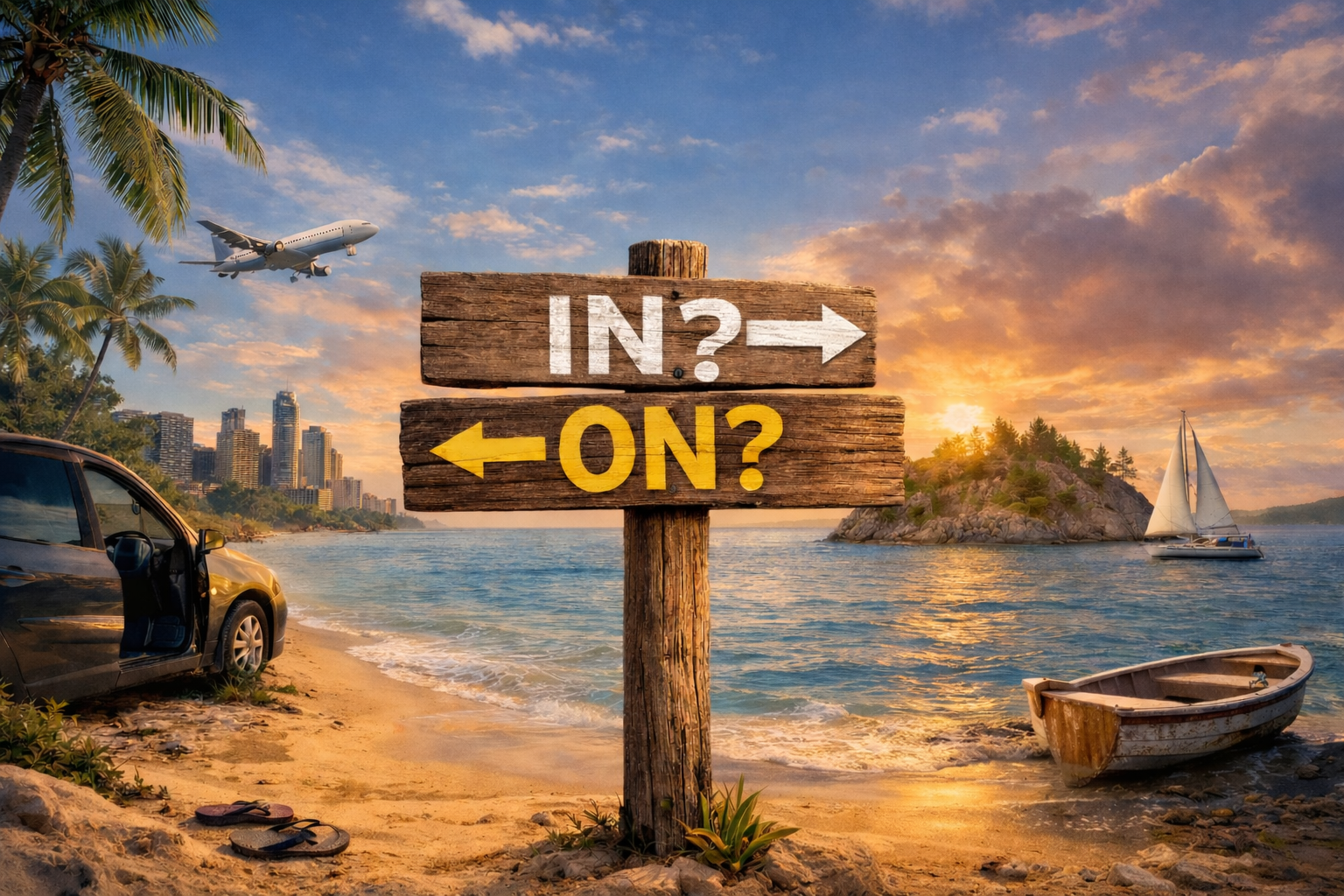
Once Upon An Island
Why does language put us “on” islands but “in” cities, “on” boats but “in” cars?
-
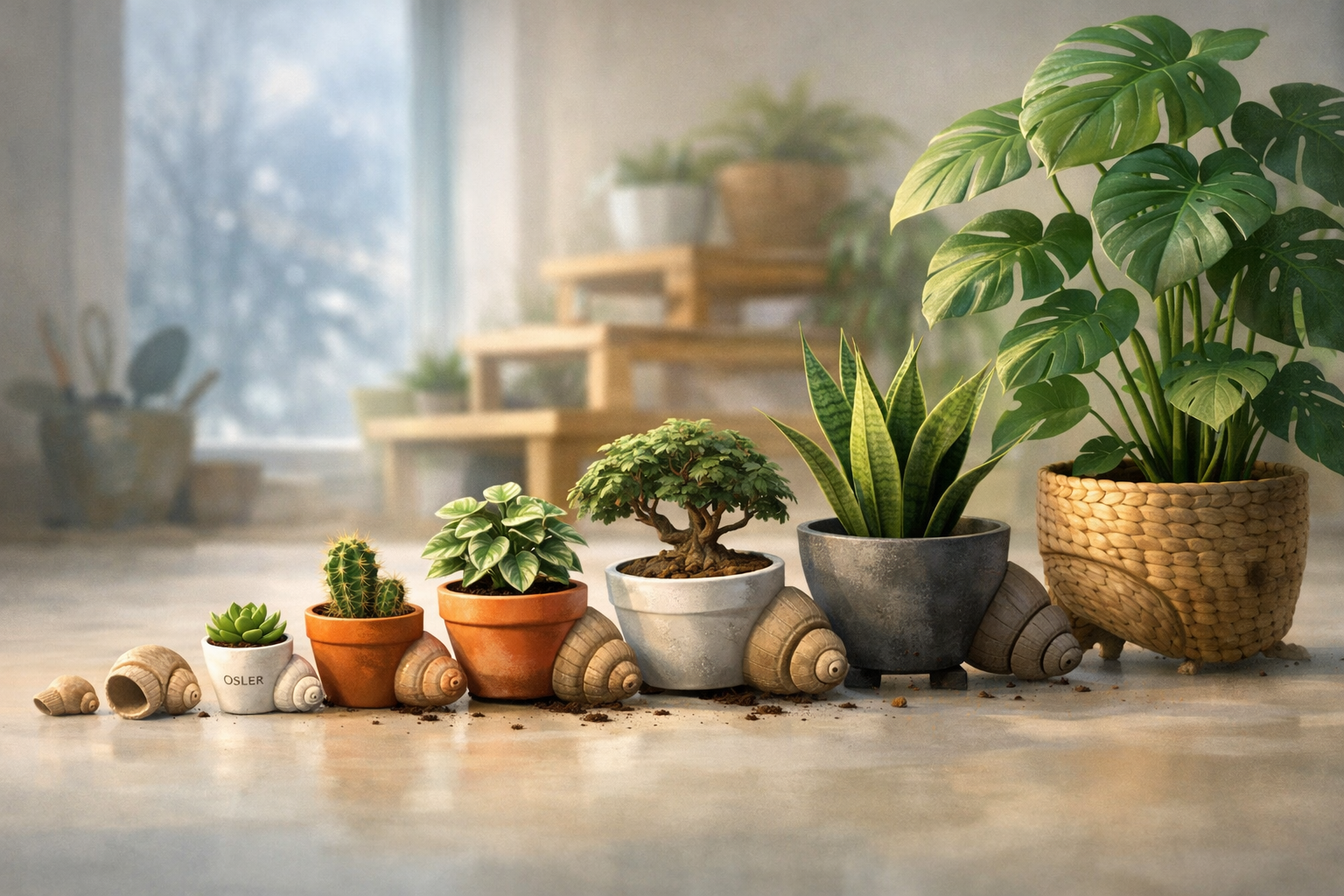
Everyone Gets A Bigger Shell
Repotting plants feels like watching hermit crabs trade shells: one upgrade triggers a quiet chain where everyone ends up in a better home.
-

Impermanent
In Irish, you do not say “I am sad” so much as “Sadness is on me”, like a passing raincloud that has borrowed your shoulders for a moment.
-
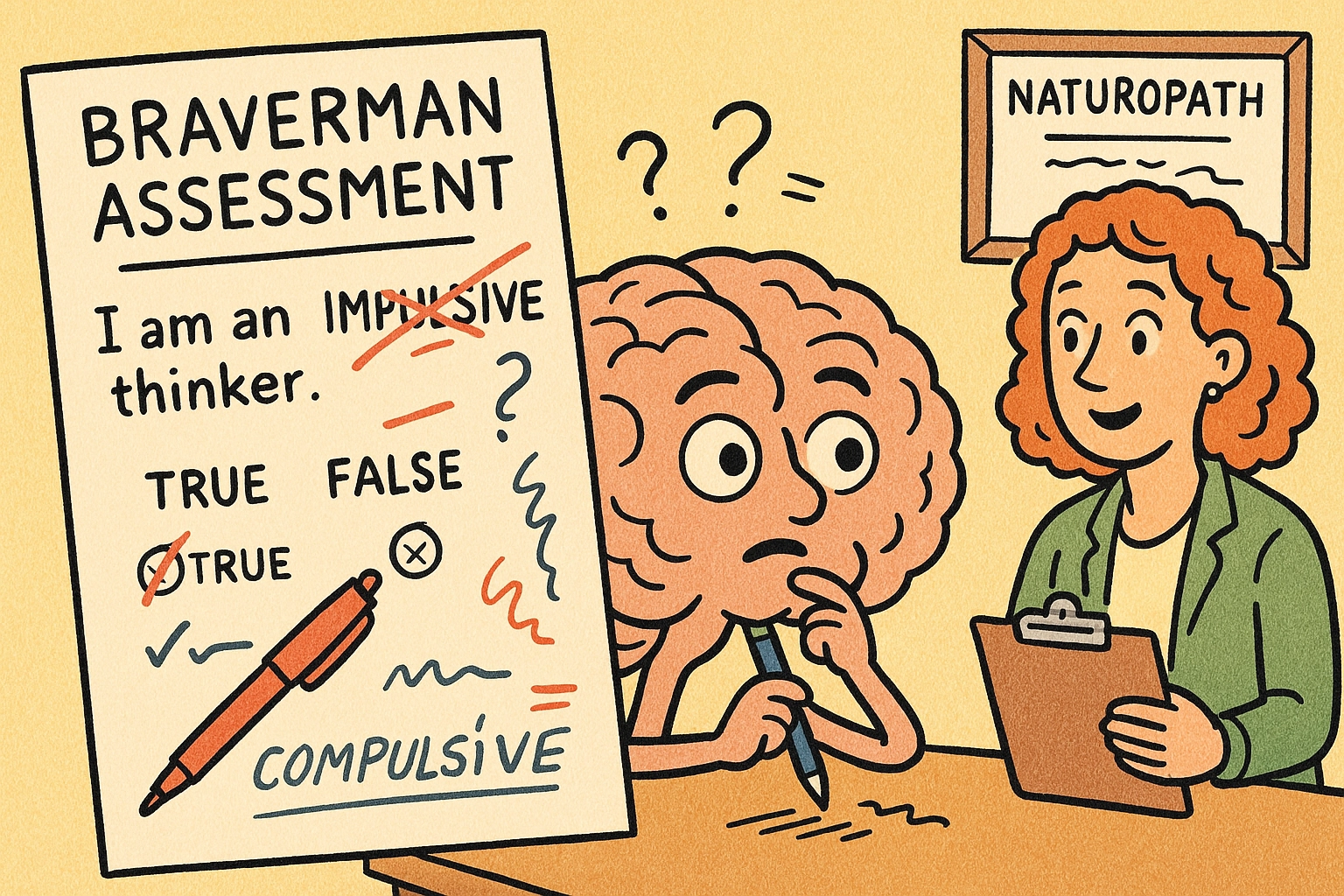
Assessing Myself
A quirky naturopath quiz asks if I’m an “impulsive thinker”, which leaves me wondering: can one think without forethought?
-
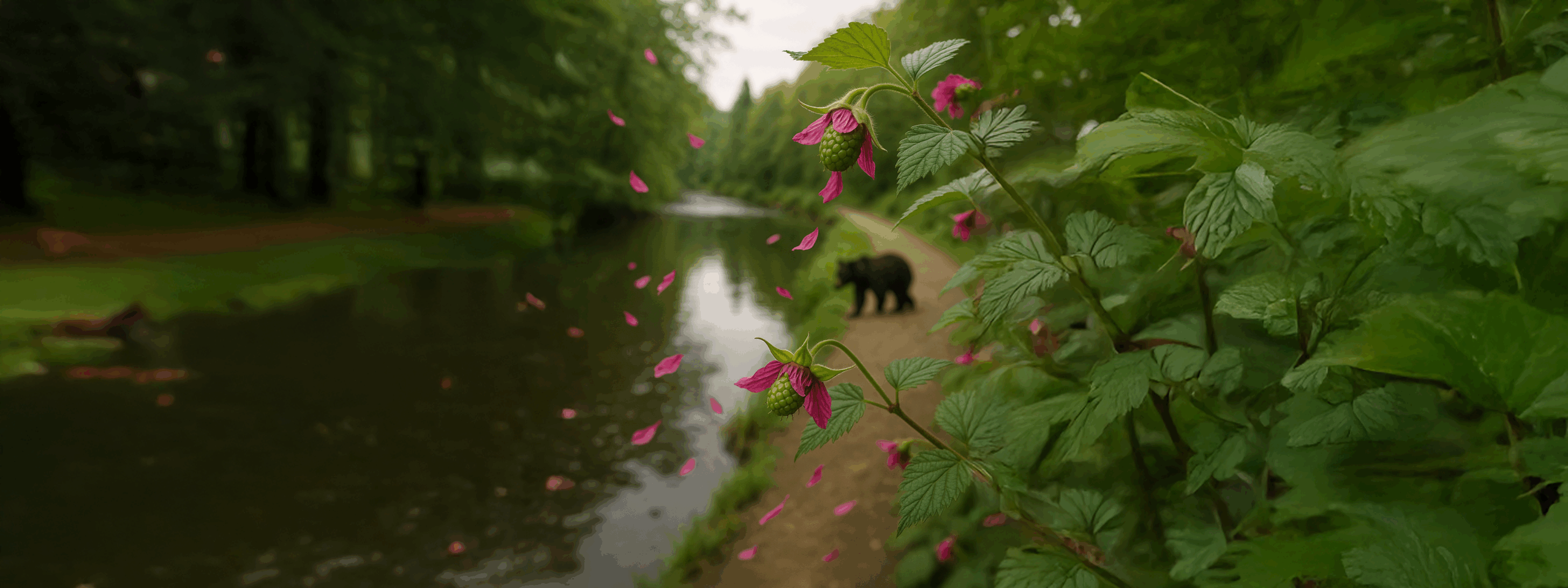
Divergent
As I was walking along the river on a warm May morning, I noticed the salmon berry blossoms had begun to shed their pink petals, revealing the tiny, green drupelets that lay beneath.
-
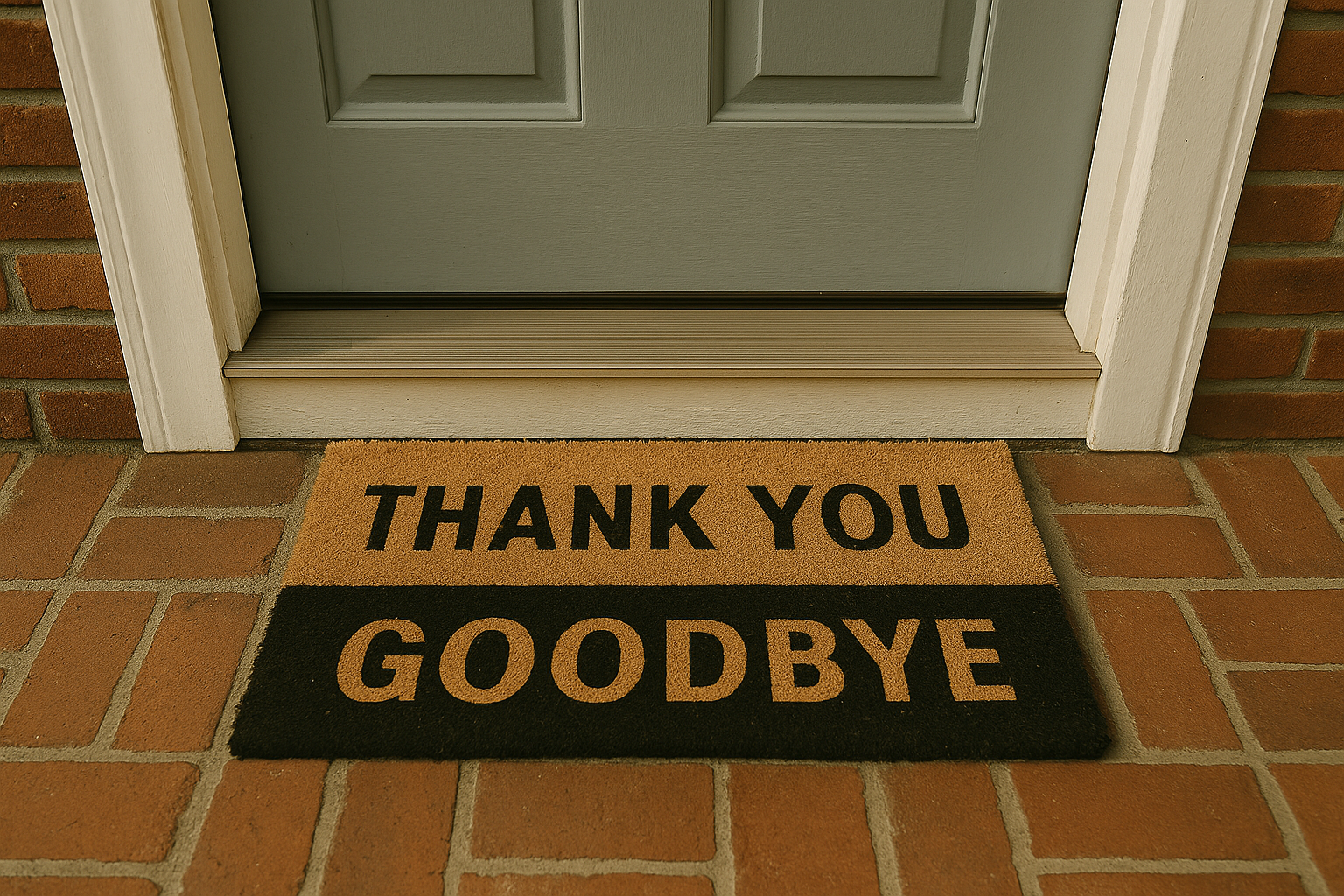
Thank You And Goodbye
When my husband thanked me for leaving, it sparked a charming idea: what if we thanked people for giving us a little delicious solitude?
-
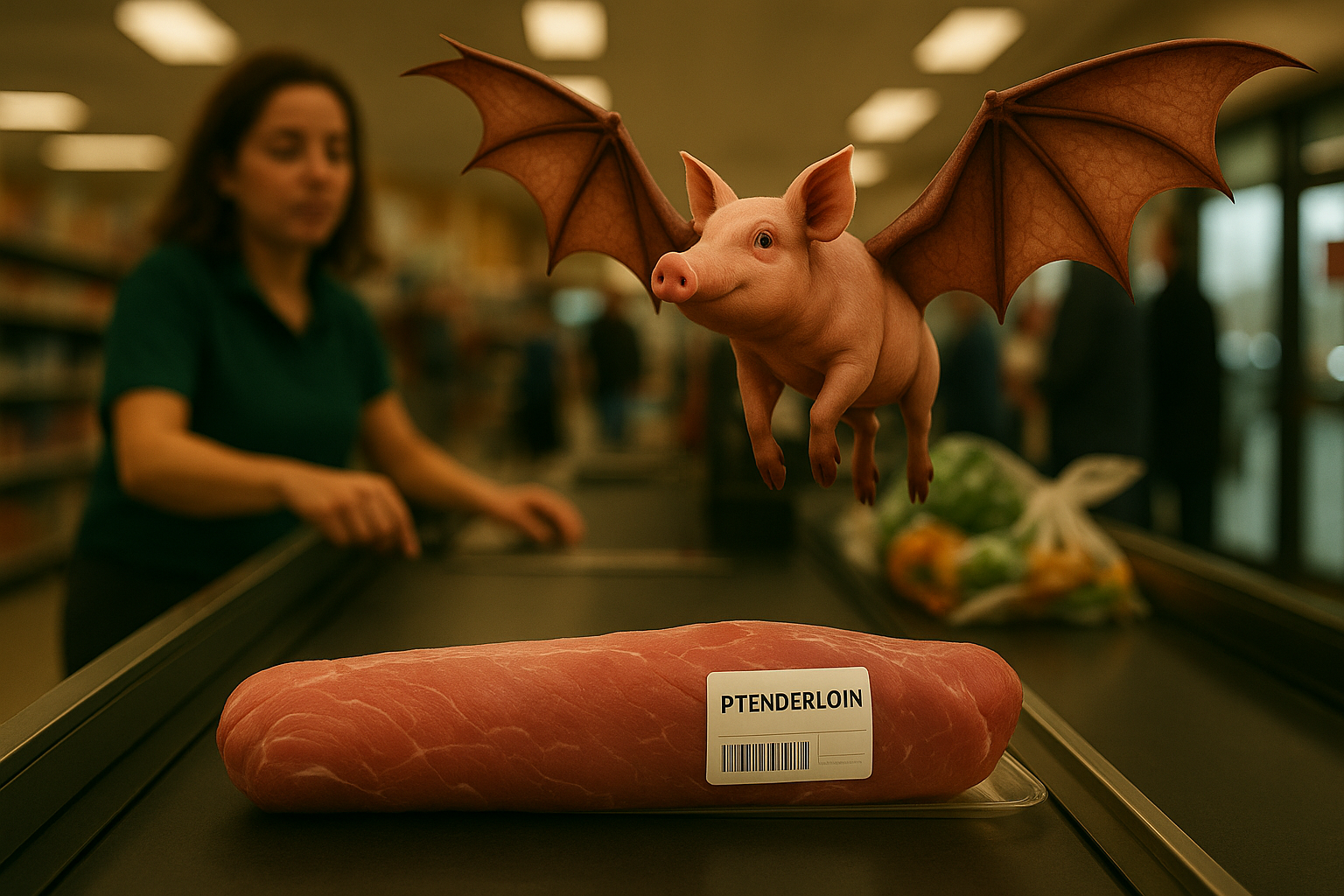
Ptenderloin
A supermarket label turns “pork tenderloin” into “ptenderloin,” sending me down a rabbit hole of silent p’s, pterodactyls, and Greek roots for “wing” and “finger.”
-
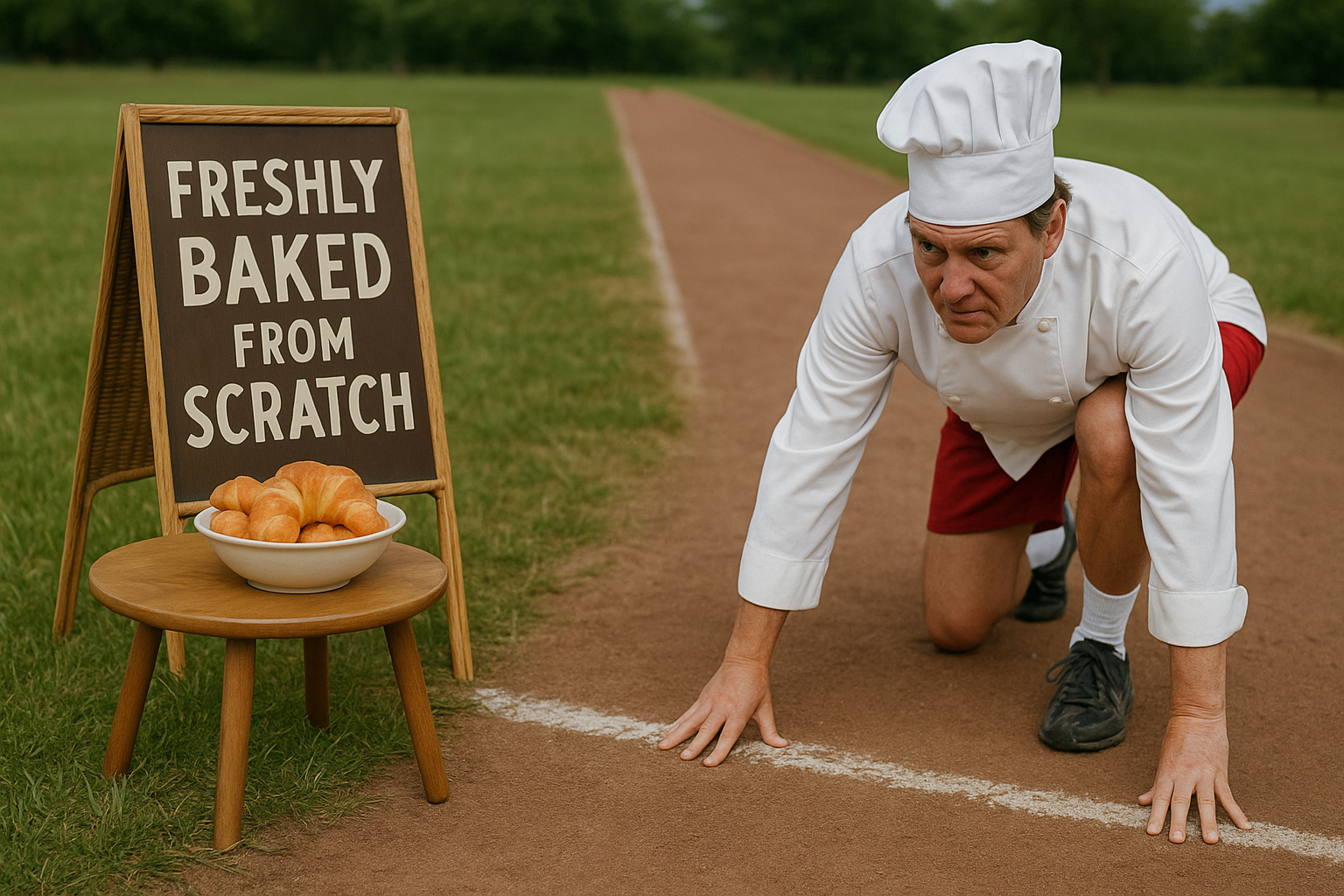
Made From Scratch
Would you believe that the phrase “made from scratch” originated in 18th century sports?
-
Money, Time Or Intelligence, A Hypothetical
A silly “would you rather” turns into an unexpectedly philosophical debate: would you rather take $10,000, get 10% smarter, or rewind your body and add 10 extra years?
-

Give Yourself Grace
New Year’s resolutions are easy to make and even easier to break, but what if the secret to success is giving yourself grace when you slip? If grace is kindness plus action, what might change if you treated every stumble as part of the process?
-
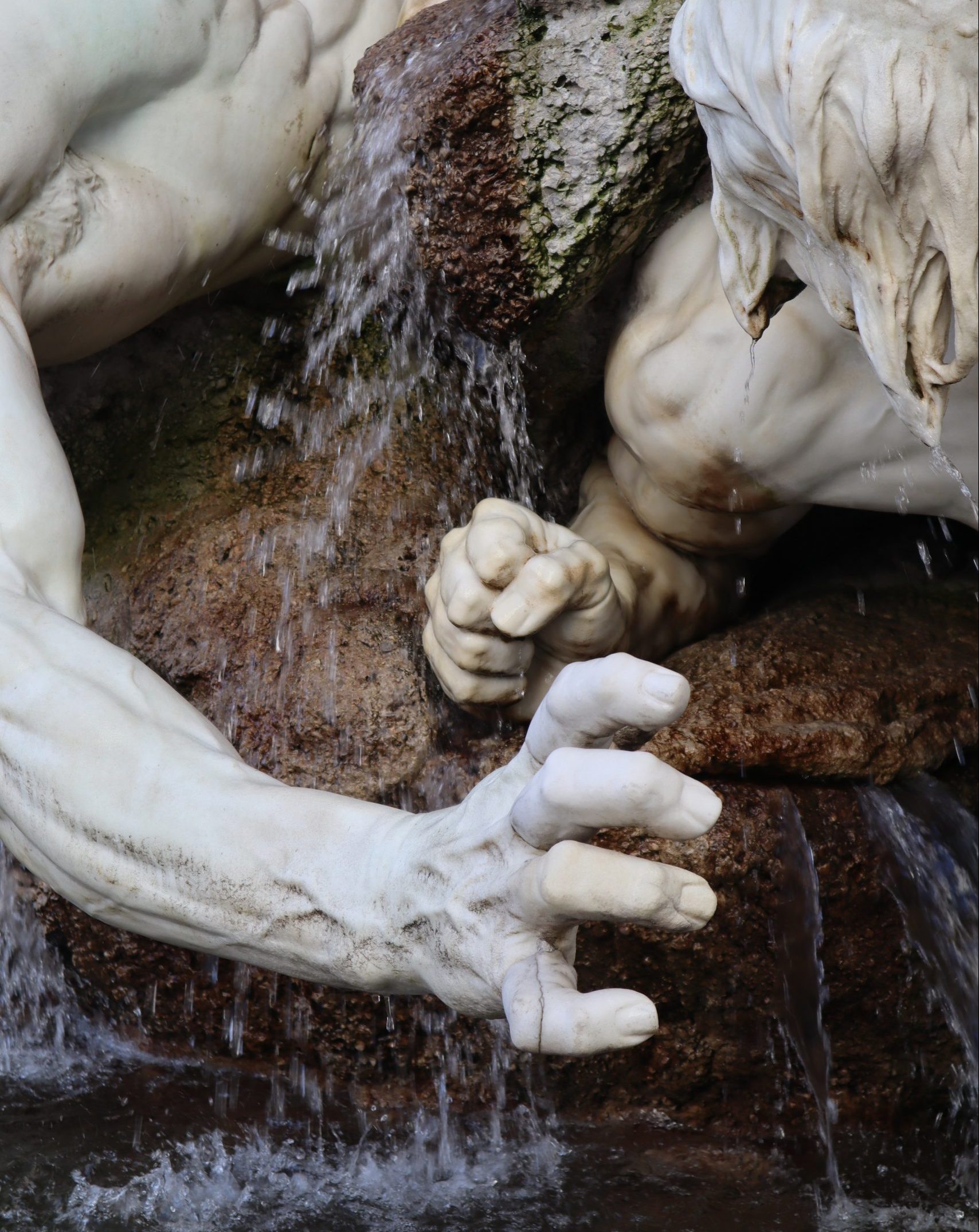
Bump N’ Grab
A smack to the funny bone sparks a bold proposal: what if humans came with elbow bums, like built-in padding for our tragically exposed joints?
-
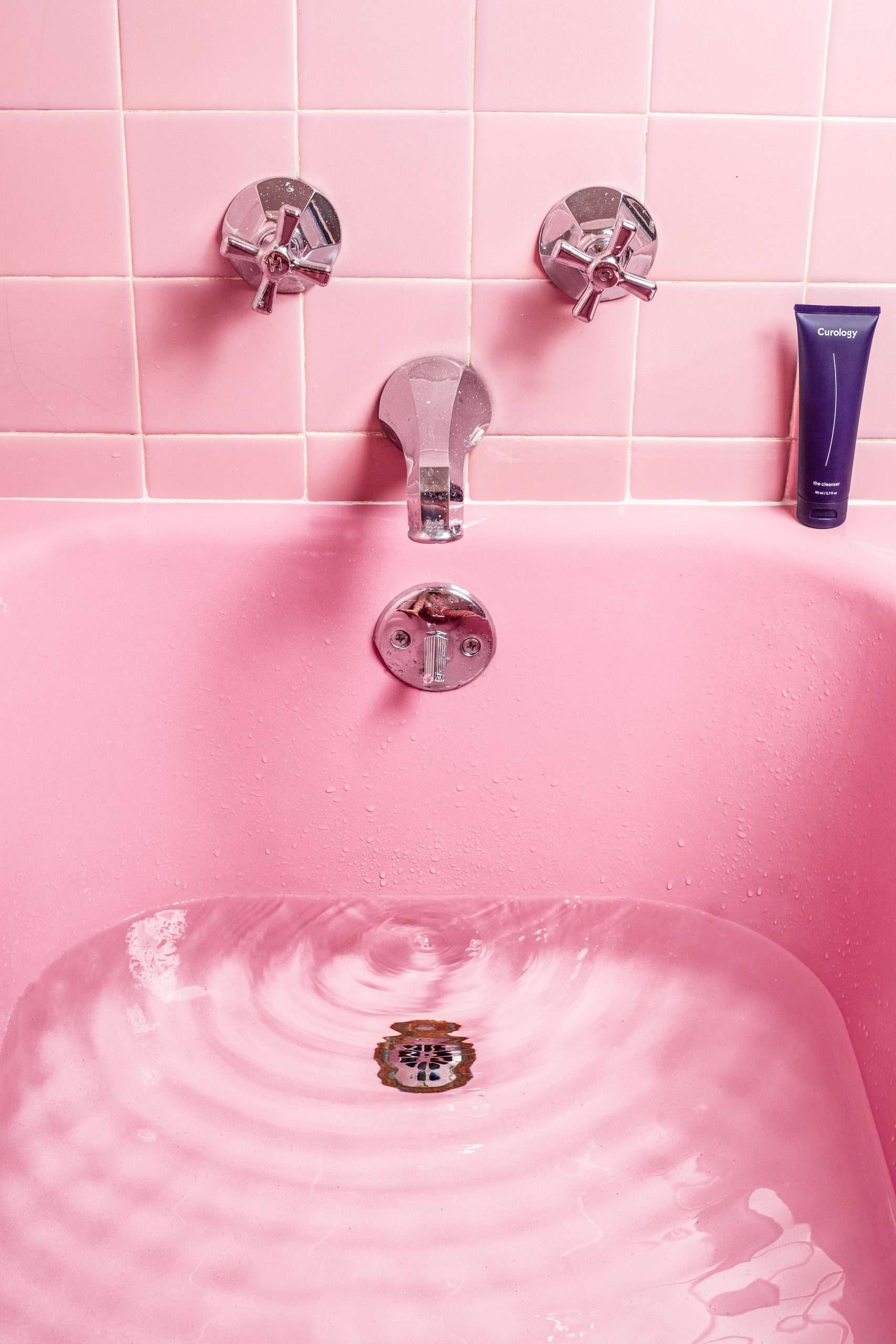
Dissolve
A late-night bath turns blissfully surreal when she dissolves into perfectly contained tub-water, leaving only toast, wine, and a growing list of absurd questions about kisses, midnight curses, and resale value.
-
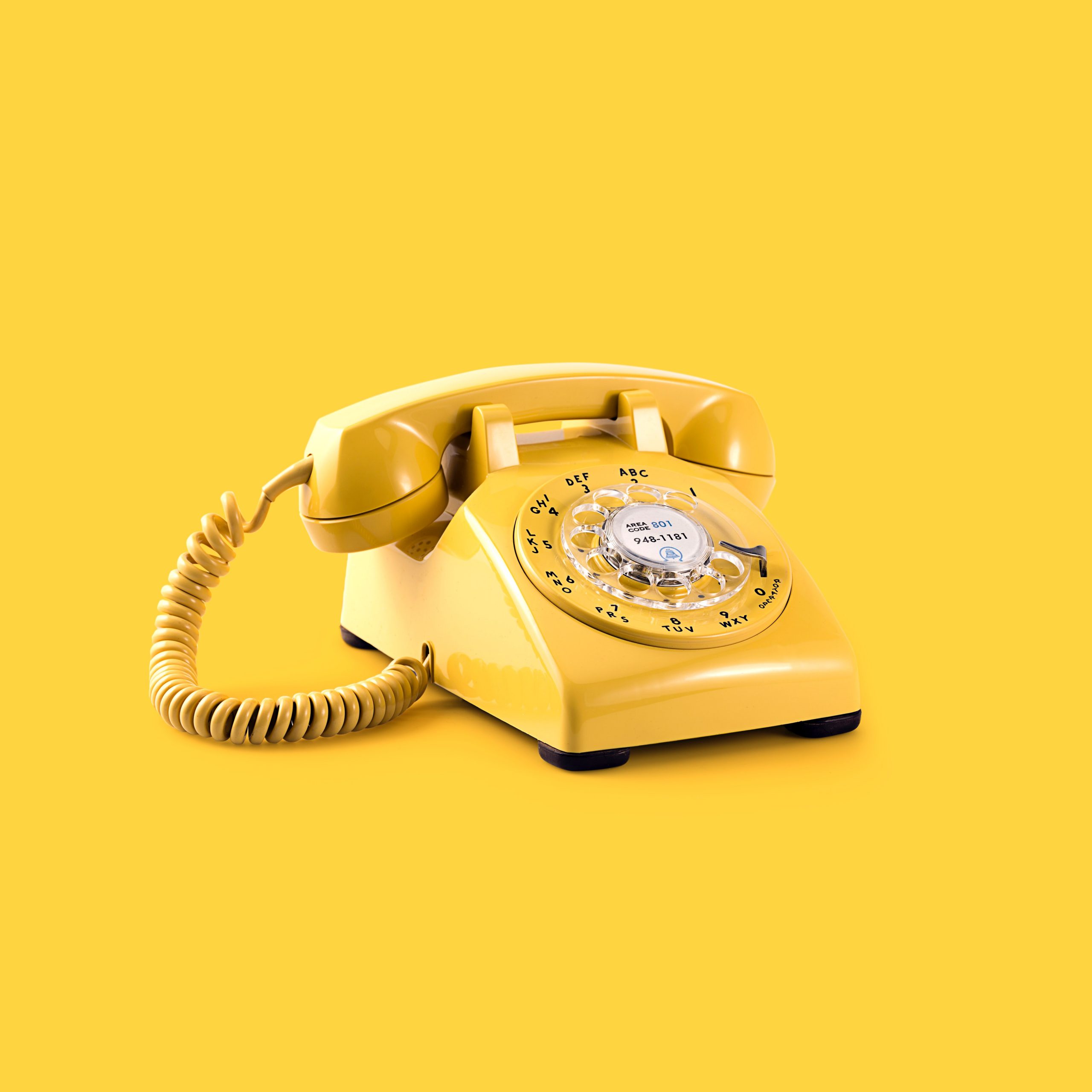
Smart Phone
Old-school sitcom misunderstandings made perfect sense in a world without texting, but would Seinfeld’s “where are you?” chaos land the same if you have never waited around with nothing but your own thoughts?
-

Margarita March
Dry February has me daydreaming about an alliterative calendar of monthly micro-celebrations, from Margarita March to Jammy July, plus a few unhinged wild cards that probably should not involve gift baskets. If you had to pick one theme to kick this off, are you in for Margarita March?
-
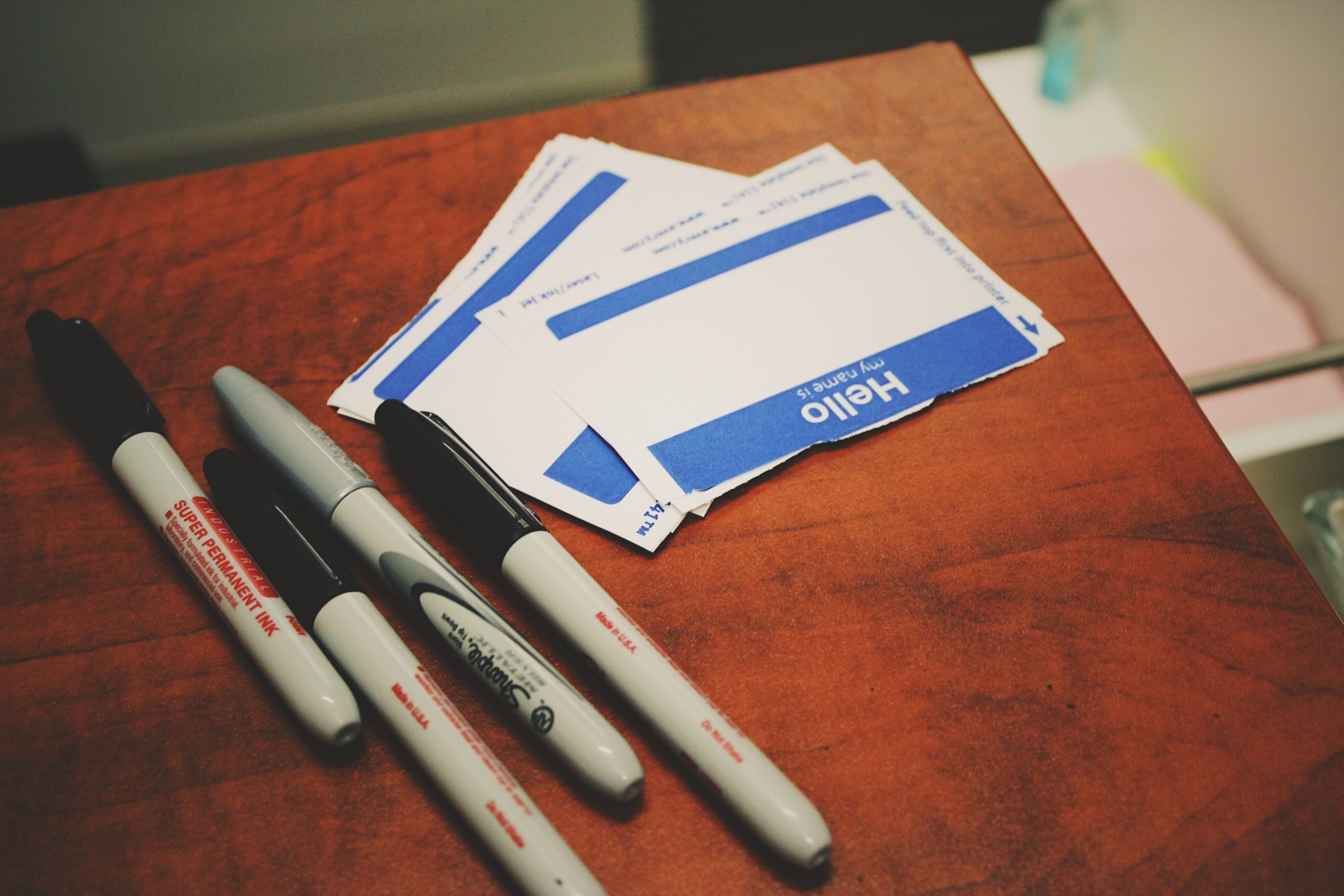
What’s In A Name
A Starbucks barista calls out “Emrys,” and I realize it is a fantastic name to borrow, which sends me spiralling into why some names sound feminine and others masculine.
-
Ambivert
One accidental slip from “ambivert” to “omnivert” turns into an etymology joyride: if omni means all and vert means to turn, what exactly have I just confessed to being? Am I now officially a diverting, introverted pervert?
-
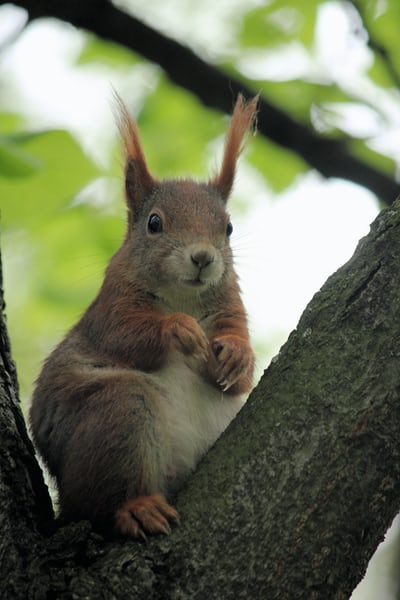
Squirrel
Port Coquitlam feels like it has two squirrels for every human, and the Traboulay Trail is basically their express lane through the underbrush. If someone actually ran a squirrel census, how many nuts, interpreters, and tiny queue ropes would it take to survive it?
-
Too cool
The receptionist took my temperature (with a temperature gun), looked at her device and tried taking it again before finally declaring me: “too cool”. This strikes me as entirely accurate.
-
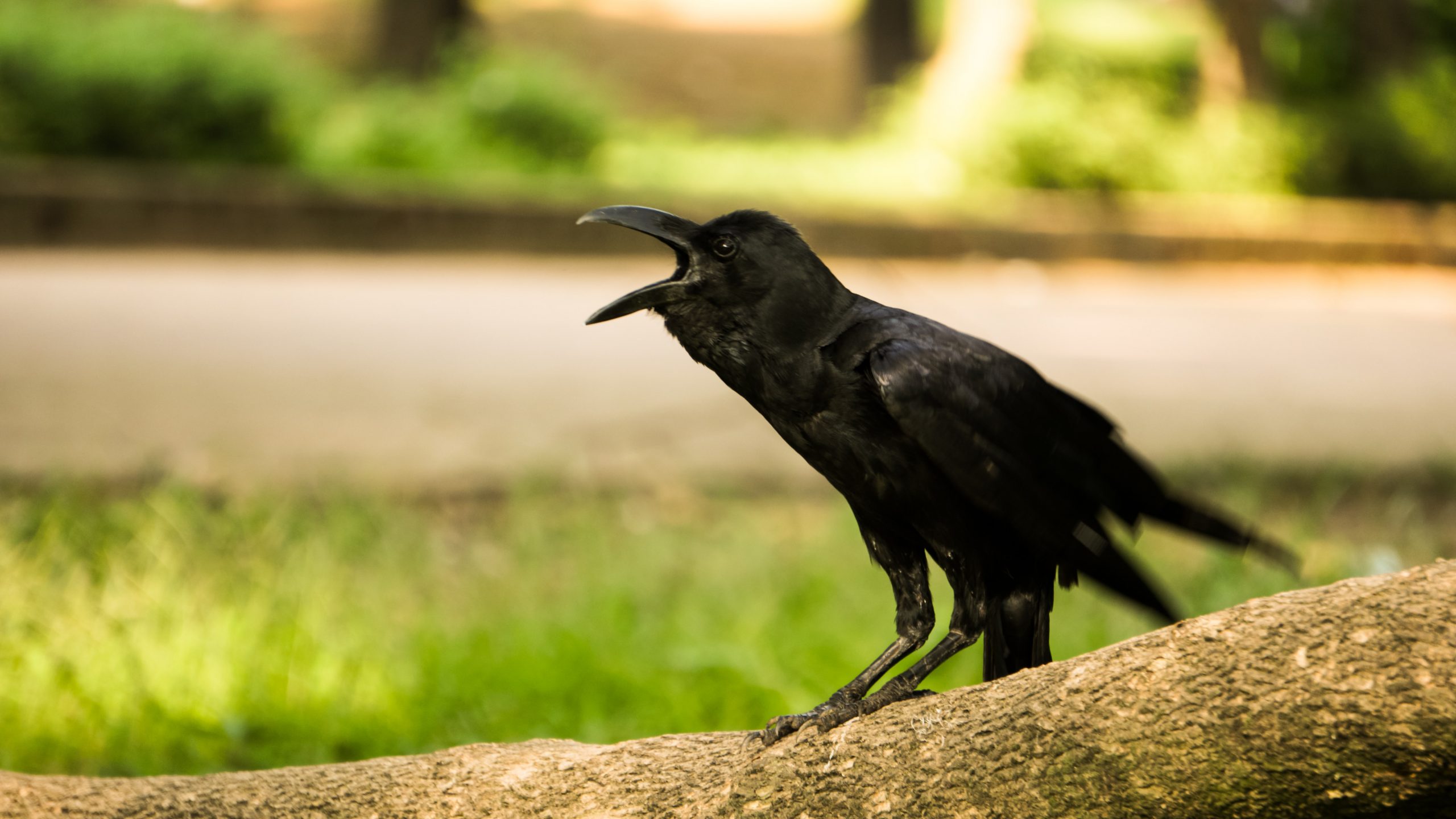
The Birds
One ill-advised hand clap at a territorial crow turns into a full Hitchcock situation: ten dive-bombing birds, a highway chase, and the creeping certainty that I’ve made a five-year-long enemy with a sketch-artist budget. If crows can hold a grudge, how exactly do you convince an entire murder to call a truce?
-
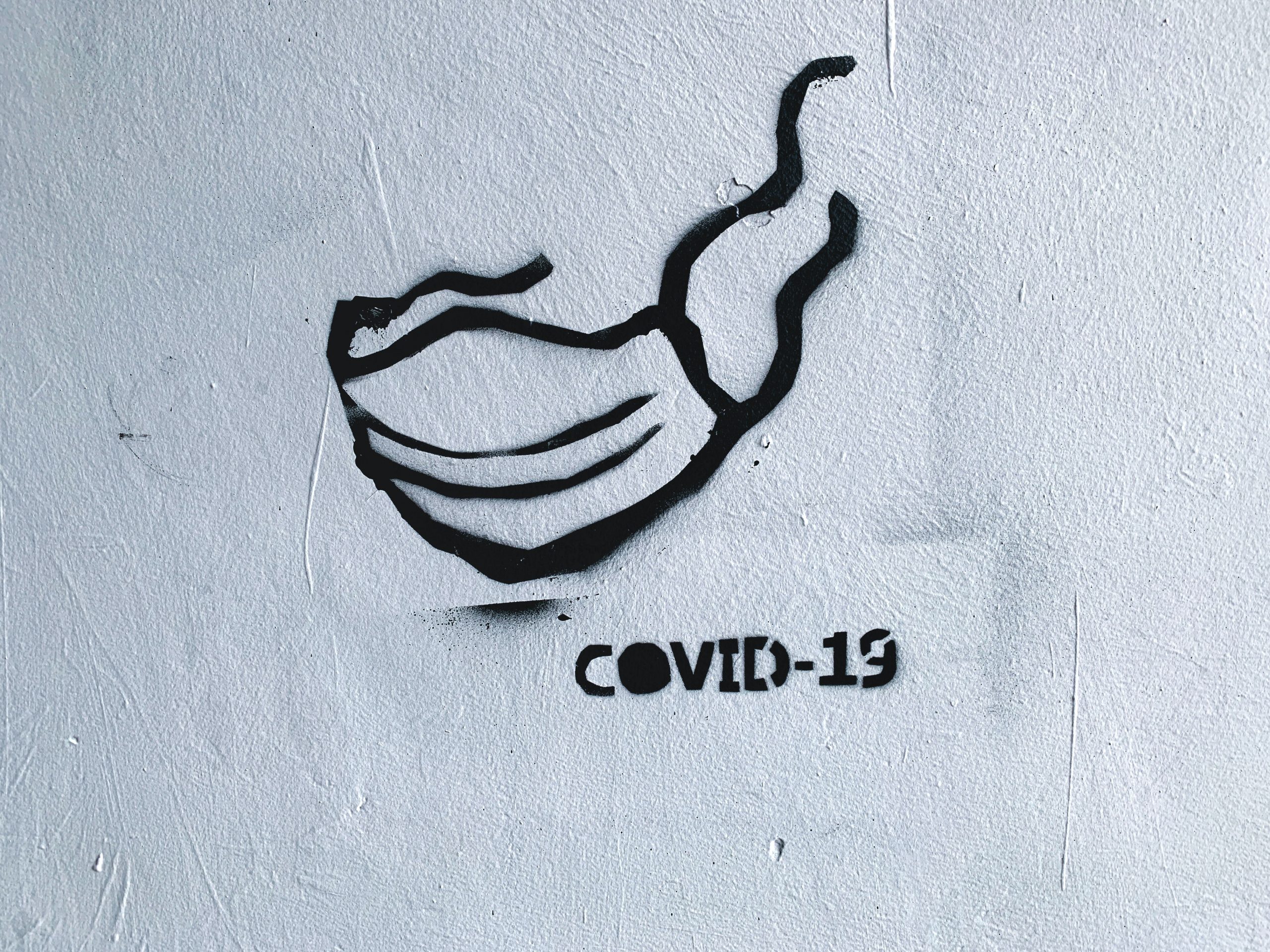
You Have Rights But Are You Right?
Twenty anti-maskers block my downtown Vancouver route and, pre-coffee, I find myself spiraling into the tug-of-war between “my rights” and “our responsibilities.” If a protest needs a grievance, a remedy, and at least a tiny crash course in positive vs. negative rights, is that really too much to ask?
-

Limitless
Your limitations are real, sure, but they’re also surprisingly slippery, ebbing and flowing like everything else in life. What happens when you occasionally forget them on purpose and stumble into something you thought you couldn’t do?
-
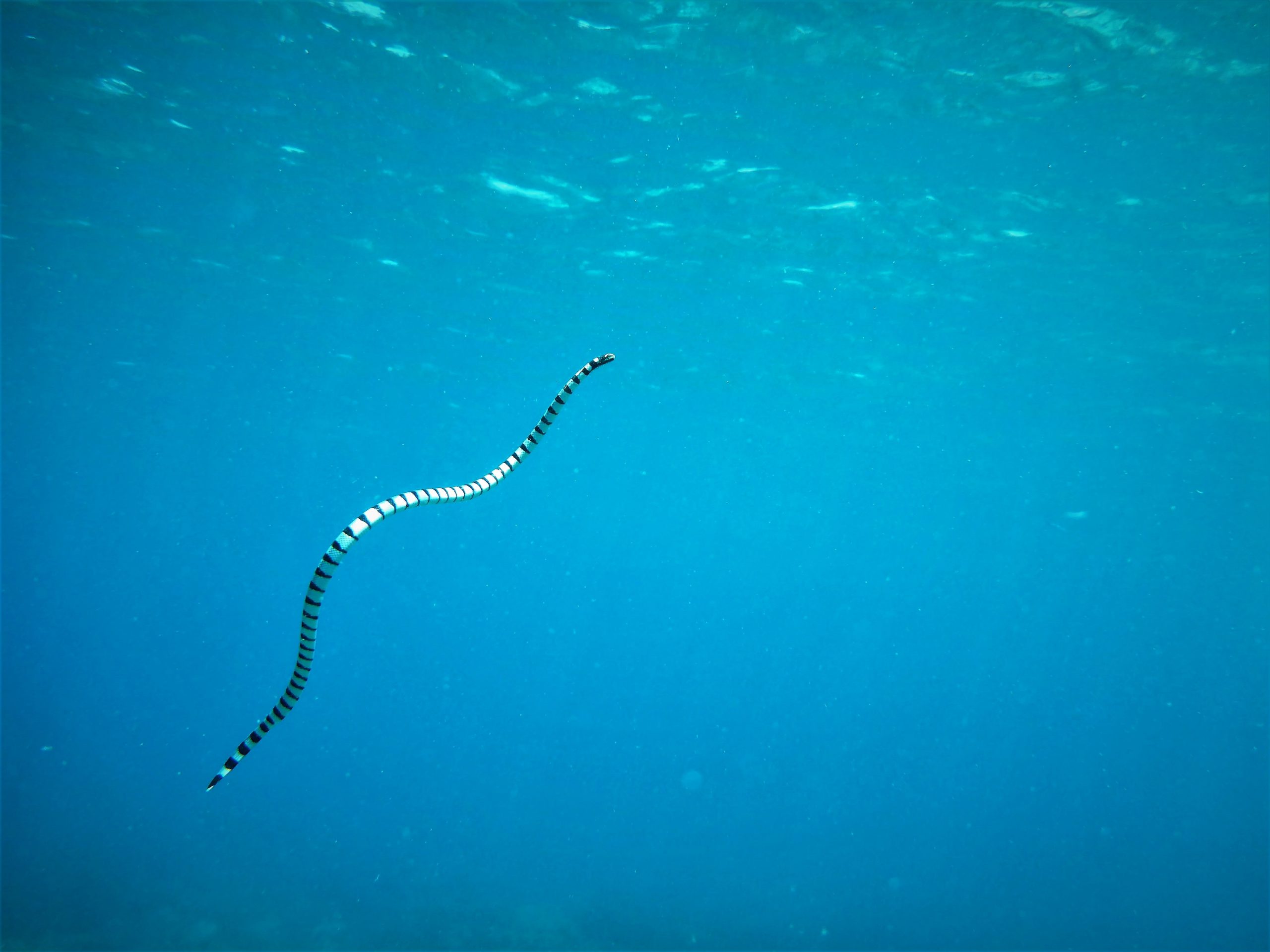
Water Snakes
I have an recurring reminder in my electronic calendar that is “water snake plants” (because you’re only supposed to water them every 4 weeks) but it just shows as “water snakes” and every time I see it I’m alarmed.
-
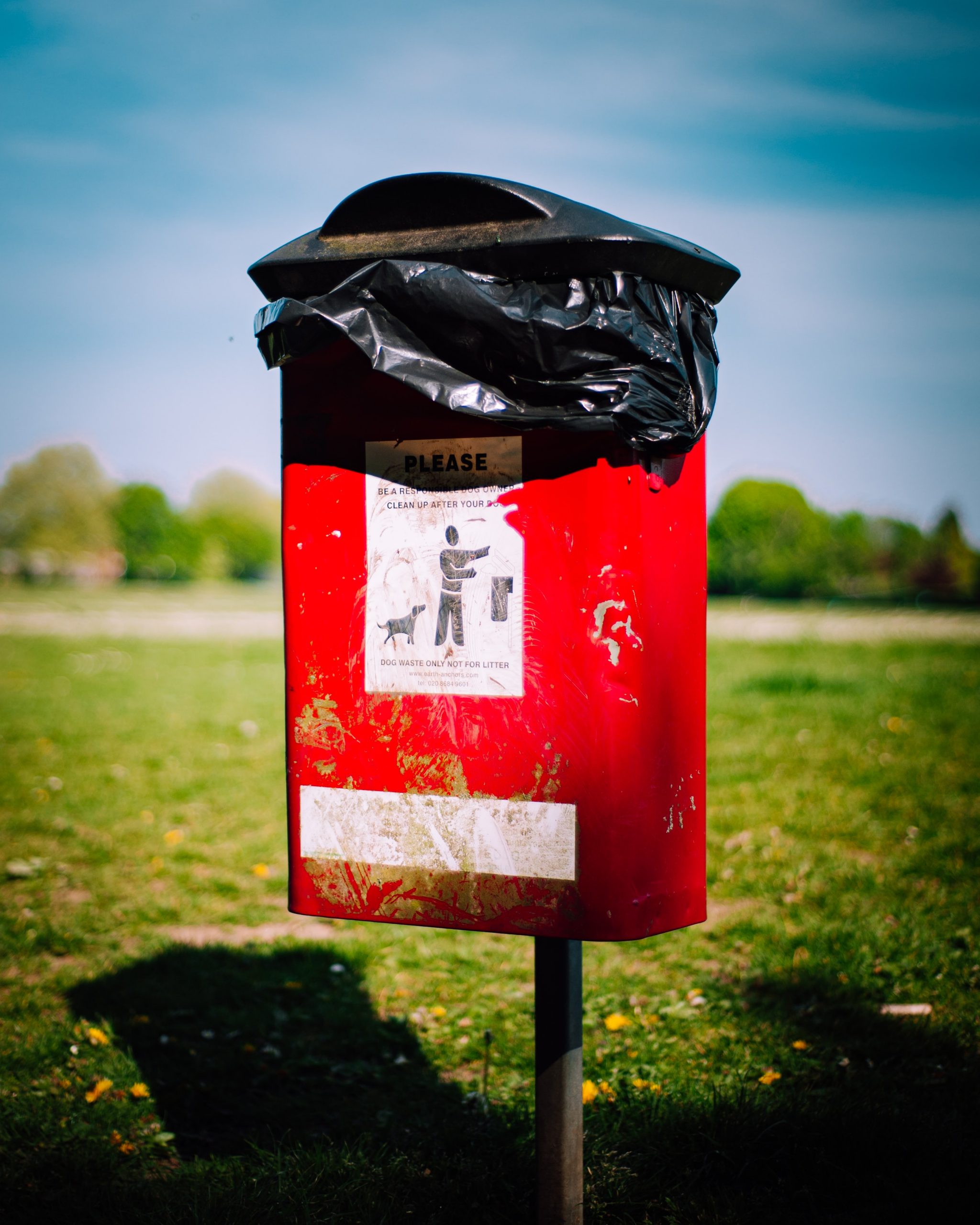
Shit’s About To Go Down
What does a dog think the first time you bag up their poop like it’s a prized collectible? And when they notice all humans doing it and depositing the haul into a big metal park box, what on earth do they assume our endgame is?
-
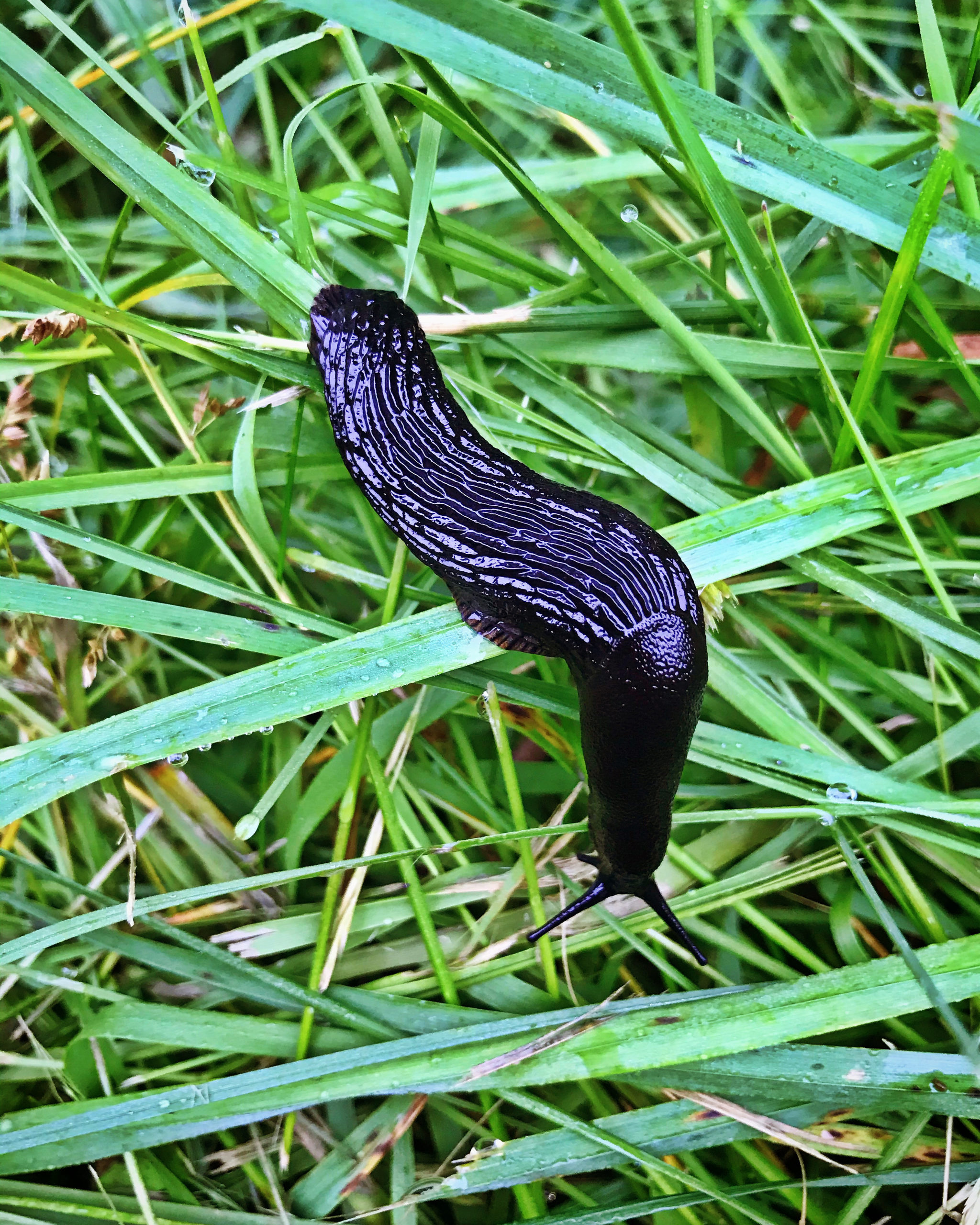
Kicks
My stylish leather sneakers are now, through a tragic slug-crushing accident, allegedly treated with banana-slug slime for waterproofing and pheromone-powered allure. If slug slime is basically a year-round dating app in goo form, are my shoes accidentally hosting the most seductive commute on the trail?
-
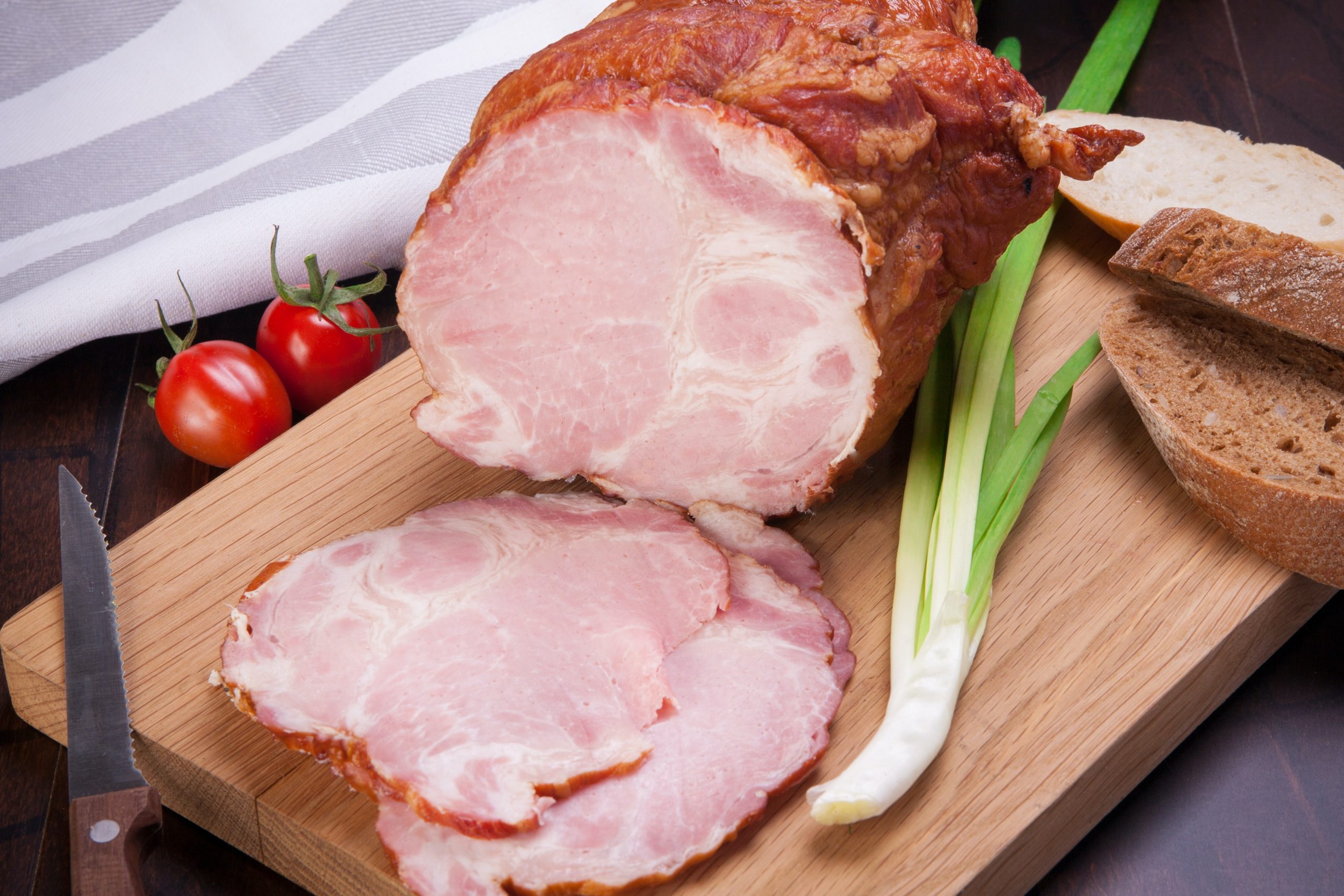
Natural Selection
“Natural Selections” sounds wholesome until your brain remembers natural selection is basically survival-of-the-fittest with teeth. So when I buy “Natural Selections” turkey slices, is my sandwich made of the champions, or the ones evolution politely let go?
-
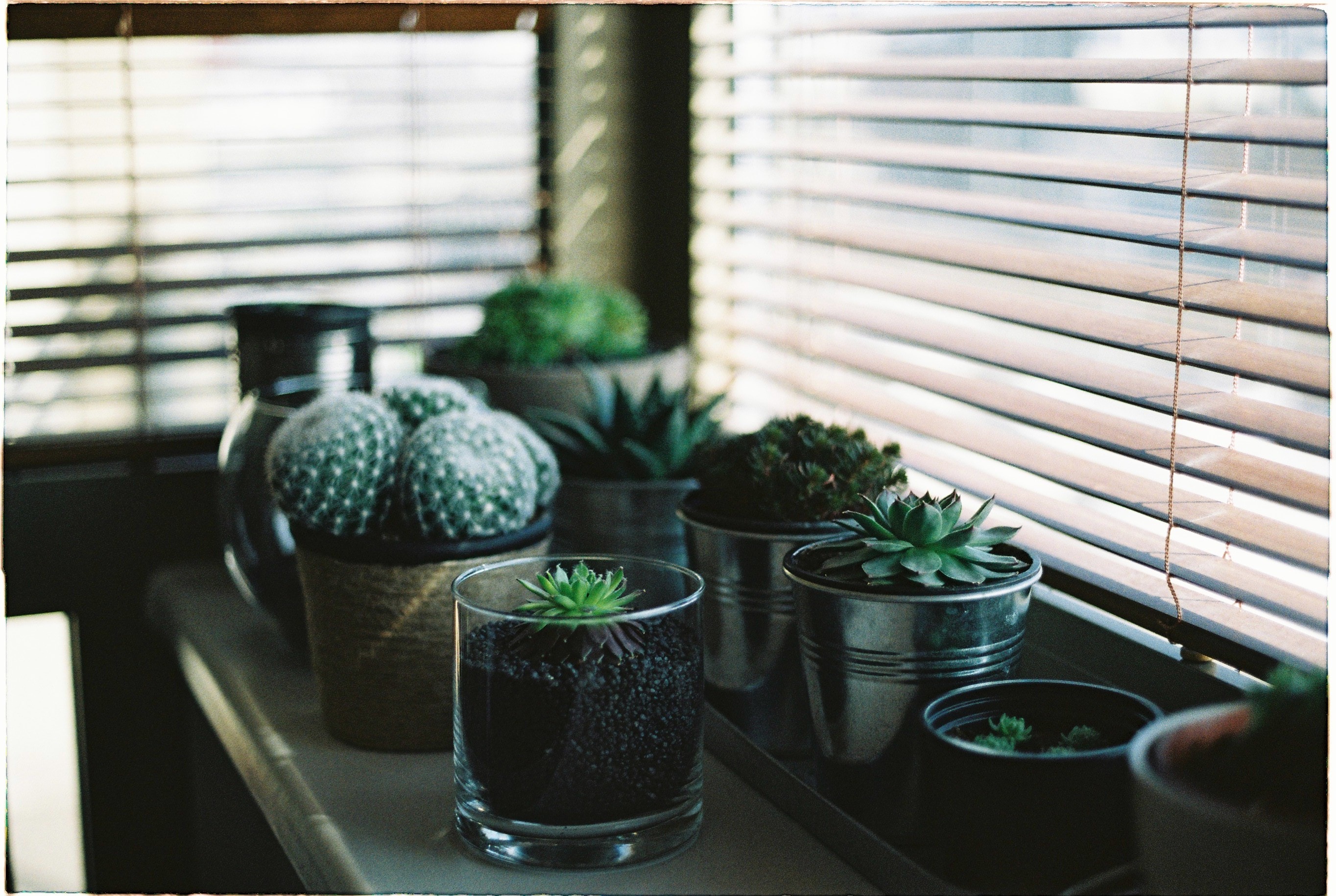
Waiting Room
In my therapist’s tiny, stage-set waiting room, I can’t help wondering if the seat you choose says something about your personality, or if it just says “I like efficiency and clean bathrooms.” If the “first seat” makes you a risk-taker, what does an office full of succulents say about the therapist?
-
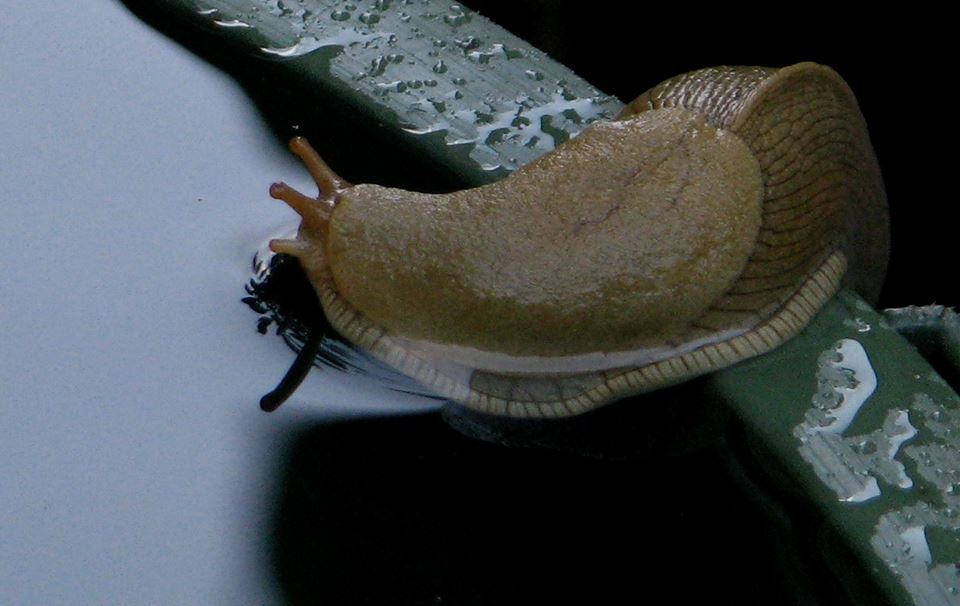
Why Did The Banana Slug Cross The Road?
When the rain hits the Traboulay Trail, banana slugs pour out like it’s their rush-hour commute and my bike ride turns into a damp, terrifying game of Frogger. Are they all just on a wet-weather mission for snacks and romance, and should the city fund my pH-balanced slug tunnel already?
-
Lazy
You know you’re getting lazy when you question whether it’s really a problem that you put your pants on inside out.
-
Express Yourself
“Express yourself” suddenly feels delightfully unhinged when you remember express can mean emotions, fast delivery, or literally squeezing out a liquid. So when I say I need to express myself, am I emotionally overnight-shipping my feelings under pressure?
-
Just the Nuts
A harmless bag of peanuts for trail crows somehow turns into me accidentally announcing I’m “pulling out my nutsack,” and then spiraling into the business plan for a niche website absolutely no one asked for. Is there truly a market for “Just the Nutsack,” or have I finally invented a fetish that does not exist?
-
Metrics
A gym machine quietly revealed I’ve been entering my weight in pounds instead of kilos, accidentally telling the elliptical I’m a small rhinoceros and wrecking my calorie math. Is Canada’s metric-imperial mishmash charmingly bilingual, or just an endless source of hilarious misunderstandings?
-
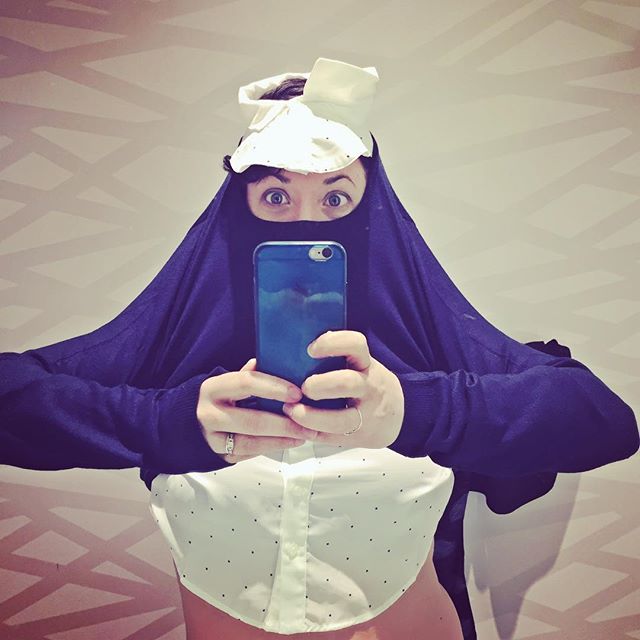
The Bay
Hudson’s Bay is my chaotic happy place: seven floors of treasure hunting, discounts so deep they feel like a dare, and change rooms so enormous you could move in and start a small monarchy. Have you really lived until you’ve panic-squeezed into a size six, nearly summoned the fire department, and emerged victorious for a celebratory food court pilgrimage?
-

Smile
A beggar’s sign that chirps “Smile, everything will seem better” sparks a full internal rebellion, even if there’s science behind the forced-grin mood boost. If you could rewrite his sign with something more honest, would you go for comfort, sarcasm, or brutal truth?
-

Fight Or Fuck
A radio host casually chats about cannabis right before a U.S. border crossing, and suddenly I’m wondering if the real contraband is human psychology. Does “fight or flirt” quietly shape who gets waved through and who gets the full passport-sniffing treatment?
-
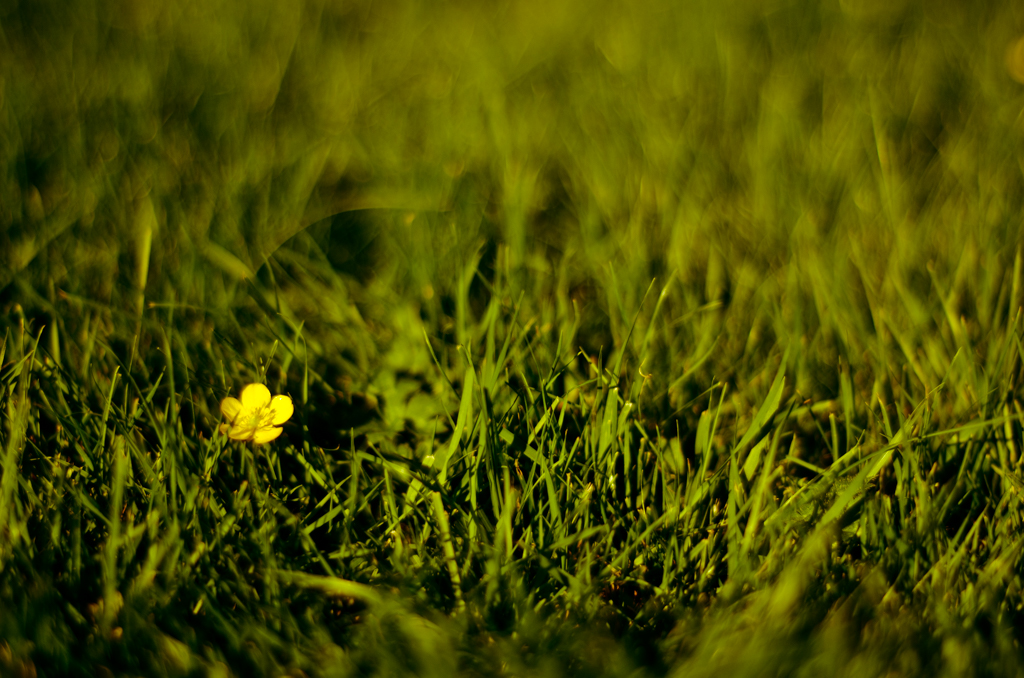
Dead Ant
On a perfect sunny day I decide to be a carefree nature person and sit in the grass, basking in the moment. A few minutes later the red ants remind me why I don’t do this, so what’s your own personal “that’s why I can’t have nice things” moment?
-

Show Of Hands
Staring at SkyTrain hands makes me wonder if they’re tiny biographies: health clues, habits, maybe even a hint of personality, plus a brutal reality check that real hands don’t look like ads. If hands really “tell a story,” what do you think yours would accidentally confess?
-
Emotion-ectomy
I got an emotion-ectomy, a tidy one-hour day surgery where they removed my slimy “emotion sack” and handed it back in a souvenir jar of formaldehyde. Now that I feel absolutely nothing, should I keep it as a creepy keepsake or upcycle it into something practical, like gloves or a shower cap?
-

Retail Therapy
Working in a fancy shopping district has taught me that luxury retail’s true spectacle is minimum-wage salespeople serving designer attitude, like the second sleeve is a privilege you have to earn. If high-end prices come with missing hems, missing linings, and occasionally missing sleeves, what exactly are we paying for: craftsmanship, status, or the snobbery experience itself?
-

Winter Coat
My glorious puffy winter coat is a transit menace, and apparently so am I, especially when a crowded SkyTrain shuffle triggers one of my unreasonably dramatic sneezes. If sneezes are nature’s jump-scares, what happens when yours also launches a mouthful of coffee at an innocent stranger?
-
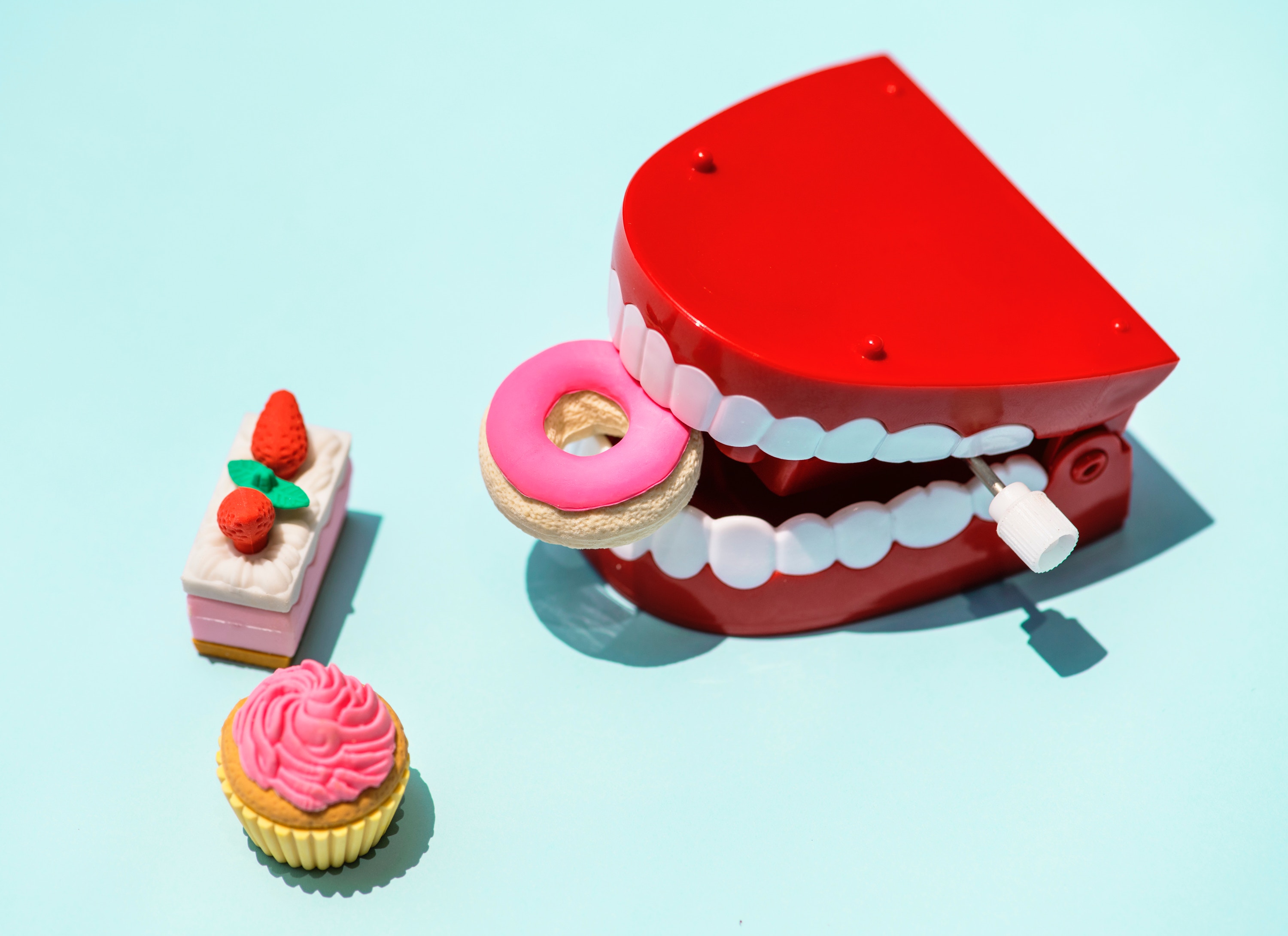
The Non-Family Dentist
A “Family Dentist” sign sends me wondering who qualifies as family, and whether dentists are quietly recruiting customers for life, one sticky-handed child at a time. If that’s the case, should I open a “Singles Dentist” with complicated billing and a strict no-relationships policy?
-
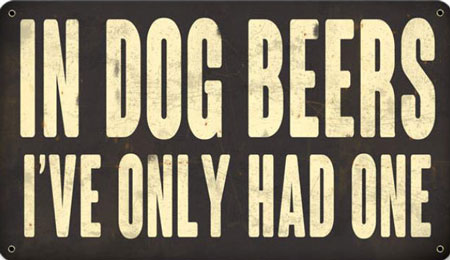
Dog Beers & Vanity Sizing
A meme about “dog beers” sends me into a math spiral about dog years, shoe sizes, and the strange human talent for inventing vanity conversions. If I start measuring my age in geoduck years and my drinks in dog beers, will I finally sound youthful and responsible at the same time?
-
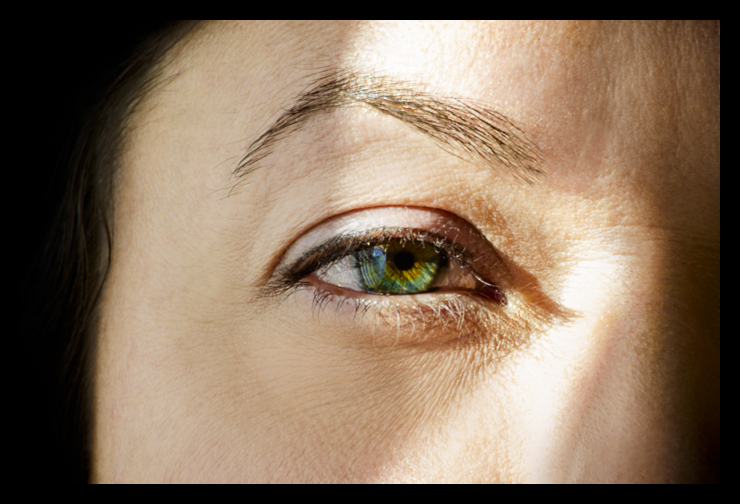
Punctoplasty – It’s All In The Eyes
A leaky eye turns me into the “crying girl” sprinting for the bus, even though it’s really just a tiny clogged drainage hole and a dramatic anatomy lesson in disguise. If your solution is literally “we’ll just cut you a bigger hole,” is it weird to dab runaway tears with the nearest purse tampon?
-
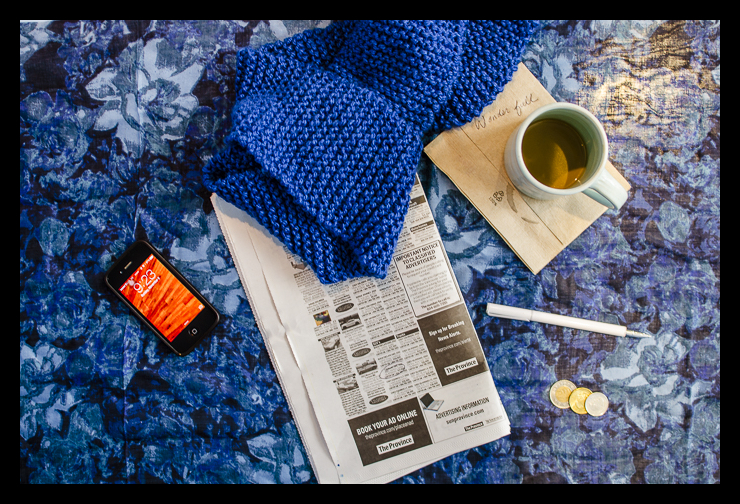
Wonder-full
A cheery station newspaper girl keeps telling me to “have a wonderful day,” and I hate it until I hear it as “wonder-full” and suddenly it feels like a dare. What if adulthood isn’t about losing wonder, but remembering to look for it in the small, ordinary moments?
-
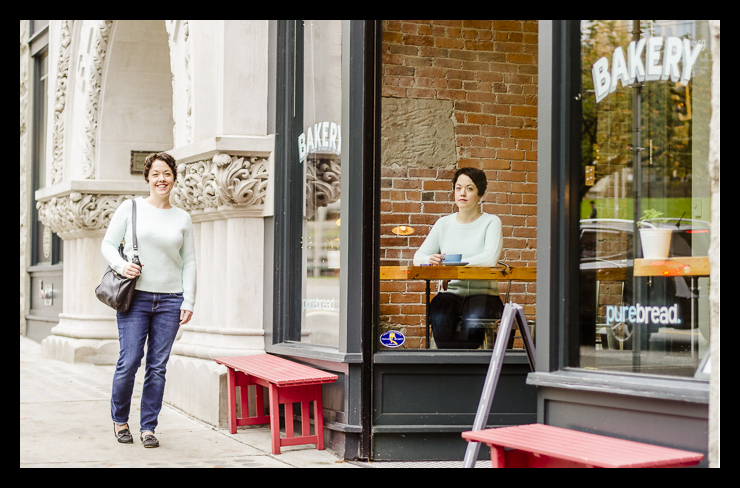
Who Wore It Best?
Spotting a stranger ahead of me in the exact same Old Navy outfit turns my commute into a high-stakes game of “Who Wore It Best: Street Edition,” complete with tactical pacing and coffee-shop evasive maneuvers. When you accidentally match a look with a stranger, do you speed ahead to claim “inventor” status, or close the gap for a side-by-side showdown?